Everyday Systems
Some systems are already part of your day.
Others take time to understand.
Both belong here.
Everyday Systems are the quiet structures that support daily life — light, water, warmth, rest — not as responses to uncertainty, but as continuations of how you already live.
Preparedness begins with familiarity: noticing what already works, and understanding that continuity matters more than complexity.
You don’t need to understand every system at once. You only need to recognize the ones already supporting you.


They develop unevenly, shaped by routine, preference, space, and time.
Some are well established.
Others are informal, partial, or still taking shape.
That variation is normal.
A system can be as simple as knowing where things are kept,
or as developed as having backups that quietly wait their turn.
There is no correct level to reach.
No finish line.
What matters is that these systems fit the life being lived—
that they feel familiar, appropriate, and easy to return to.
Everyday systems work best when they grow naturally,
strengthened through use rather than pressure.


The Spectrum
Everyday systems don’t appear all at once, and they don’t need to.
Common Ground
Most everyday systems fall into a few familiar areas.
Comfort.
Sustenance.
Connection.
Care.
They show up differently in every home,
and they don’t need to be evenly developed to be effective.
Some systems are relied on daily.
Others are present quietly, used only now and then.
All of them belong.
Everyday Systems isn’t about expanding these areas all at once.
It’s about recognizing where support already exists
and allowing it to remain steady over time.
Light
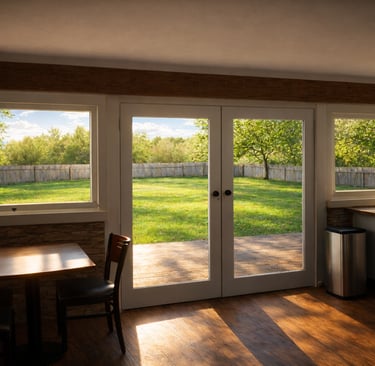
Light is one of the first systems we rely on, often without thinking about it.
It shapes when we wake, how we move through a space, and when the day feels complete.
Most of the time, it’s simply there — expected, familiar, and quietly dependable.
Light becomes a system when it continues to work across conditions — daylight and night, routine and disruption — without requiring constant attention.
When it does, it fades into the background, doing its work quietly, supporting the moments that matter without asking to be noticed.

Water
Water is one of the most familiar systems in daily life.
It’s present in small, repeated moments — when we wash our hands, prepare food, clean a space, or pause to drink.
Most of the time, it moves quietly through our lives — available, expected, and rarely noticed.
Water becomes a system when it is held, moved, and reused with care — continuing to serve daily life across routine use and changing conditions, without demanding constant attention.


Warmth
Warmth is how a space becomes inhabitable.
It’s felt more than noticed — in the way a room holds heat, how a surface feels to the touch, and how the body settles when conditions are steady.
Most of the time, warmth is simply present — familiar, reassuring, and easy to take for granted.
Warmth becomes a system when it is maintained across seasons and changing conditions — continuing to support comfort and rest without requiring constant adjustment or attention.


Energy
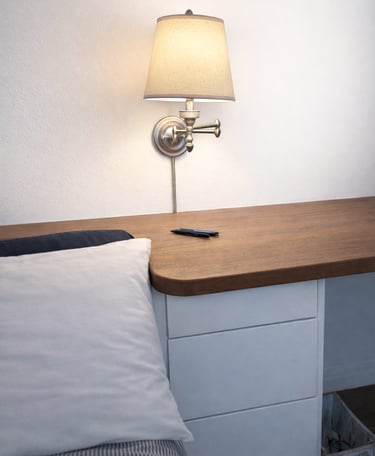
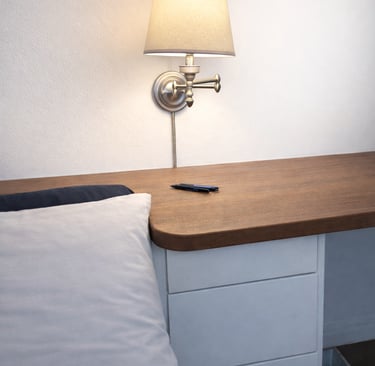
Energy is the system that allows other systems to continue.
It’s present in quiet, familiar ways — powering light, moving water, maintaining warmth, and keeping everyday tools in use.
Most of the time, it remains unseen — felt only when it’s working, and rarely noticed while it does.
Food
Food is part of daily life long before it becomes a plan.
It appears in familiar routines — preparing meals, sharing time at a table, and choosing what to eat from what’s available.
Most of the time, food is simply present — expected, habitual, and shaped by taste, season, and care.
Food becomes a system when it continues to nourish daily life across changing circumstances — relying on familiarity, adaptability, and repetition rather than constant planning or complexity.


Rest
Rest is how systems complete their work.
It’s present in small, ordinary moments — as the body settles, the attention softens, and when a day comes to a natural close.
Most of the time, rest arrives quietly — shaped by familiarity, comfort, and the absence of demand.
Rest becomes a system as conditions allow it to happen consistently — supported by light, water, warmth, energy, and food — working together without effort or urgency.
This is what Everyday Systems look like.


Everyday Systems
Everyday Systems are the supports that remain in place whether life is quiet or interrupted.
They don’t depend on attention, motivation, or constant adjustment.
Light, water, warmth, energy, food, and rest are already part of daily life.
SIPworks.space treats them as systems—chosen to keep working, to be understandable, and to remain available when needed.
This is what Everyday Systems look like.
The items here support everyday systems without urgency or excess.
The place you are most familiar with is the best place to start.
Most homes already carry quiet systems that support daily continuity—coffee in the morning, basic care, simple tools, and food kept on hand.
SIPworks.space observes these everyday systems as they already exist, without urgency, instruction, or commentary.
·
·
John 3:16 For God so loved the world, that he gave his only begotten Son, that whosoever believeth in him should not perish, but have everlasting life. 17 For God sent not his Son into the world to condemn the world; but that the world through him might be saved.
Romans 10:9 That if thou shalt confess with thy mouth the Lord Jesus, and shalt believe in thine heart that God hath raised him from the dead, thou shalt be saved. 10 For with the heart man believeth unto righteousness; and with the mouth confession is made unto salvation. 13 For whosoever shall call upon the name of the Lord shall be saved.
info@sipworks.space
SIPworks.space © 2025. All rights reserved.